Kosher-for-Passover food is a bit more complicated than everyday kosher food, but with a little more creativity (and maybe a little less matzah!), kosher-for-Passover meals can be so good you might just want to cook them all year long.
For starters, kosher-for-Passover means different things depending on your type of Jewish practice. In addition to following the everyday year-round kosher laws, during Passover, there are additional guidelines.
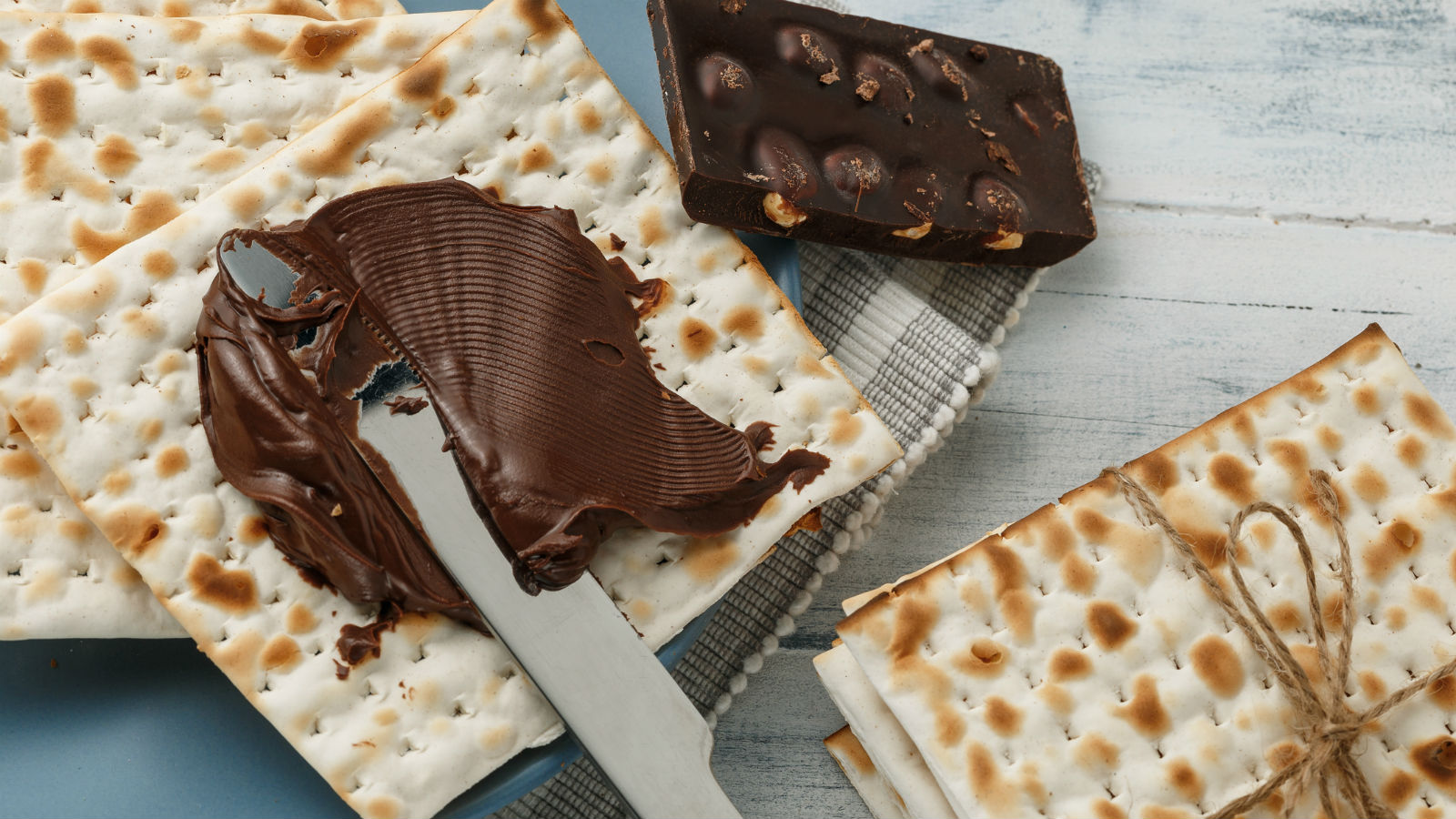
The most universal rule prohibits anything hametz, or leavened. This includes anything that is made with these five grains: wheat, rye, barley, oats, and spelt. The only way these grains can be consumed is in the form of matzah. This tradition symbolizes the Jews’ hurried escape from Egypt under the dark of night. There was no time to waste, not even for bread to rise. This quick-baked bread, which is made from start-to-finish in less than 18 minutes, is a key element of many kosher-for-Passover foods.
In addition to hametz, many Ashkenazi Jews also avoid consuming kitniyot, which are foods that swell in the cooking process resembling the way that fermented grains rise. This rule was made in the 13th century by rabbis in France, and continues to be widespread today. However, in December 2015, the Conservative movement’s Committee on Jewish Law and Standards ruled that kitniyot is now permissible; the movement has been permitting its use in Israel, where large numbers of Jews are Sephardic, since the 1980s.
The Nosher celebrates the traditions and recipes that have brought Jews together for centuries. Donate today to keep The Nosher's stories and recipes accessible to all.
READ: Rabbis Expand the Passover Menu, but Will Conservative Jews Bite?
Some kitniyot foods include:
- Corn
- Millet
- Rice
- Legumes (lentils, all dried beans, peanuts, soy beans)
- Mustard, Cumin, and Fennel seeds
- Sesame seeds
- Poppy seeds
Sephardic Jews, on the other hand, and most Israeli Jews regardless of where their ancestors came from, do not abstain from kitniyot.
READ: Is Quinoa Kosher for Passover?
Still wondering what you can eat this Passover? Your options abound, and tend to look something like a list of the world’s healthiest foods. Passover is the perfect opportunity to experiment with new fruits and vegetables and think outside of the culinary box. Here’s what you can eat:
- All fruits
- All vegetables (except corn, and the legumes and grains listed above)
- Beef, turkey, chicken, fish with scales, duck, or goose
- Dairy (not eaten alongside meat, though)
- Eggs
- Nuts and nut butters (except peanut and soy butters)
- Quinoa
- Almond, coconut, and quinoa flours
- Matzah (of course!)
- Fermented vegetables (think horseradish, yum!)
- Processed foods marked with a kosher-for-Passover hechsher (a symbol that represents an item is kosher for Passover)
We’ll post some mouthwatering kosher-for-Passover recipes throughout the rest of the month, but we’d love to know–what are your Passover weeknight favorites?
Weeknight Passover Recipes:
Meat:
Coconut Crusted Chicken
Honey Horseradish Chicken
Coffee and Wine Beef Stew
White Wine Braised Chicken Thighs with Tomatoes and Potatoes (use olive oil)
Lettuce Wrap Pulled Beef Tacos with Guacamole
Cuban Chicken Soup
Vegetarian:
Creamy, Non-Dairy Asparagus Soup
Sweet ‘n Spicy Sweet Potato Soup
Matzah Toppings from Around the World: 6 Ways!
Potato and Carrot Gratin
Classic Potato Kugel
Zucchini Noodles Two Ways
Red Quinoa Taboulleh with Labneh
Citrus and Avocado Salad
Sweet Potato Latkes (be careful what oil you use)
Fennel Celery Salad
Eggs:
Caramelized Red Onion and Dill Fritatta with Smoked Salmon (omit za’atar)
Beef and Potato Fritatta
Shakshuka (omit tofu)
Dessert:
Passover Pecan Pie Bites
Pistachio and Apricot Macaroons
Strawberry Almond Mini-Muffins
Pomegranate Truffles
Almond Butter Chocolate Chip Cookies
Gluten-Free Chocolate Chip Cheesecake
kosher
Pronounced: KOH-sher, Origin: Hebrew, adhering to kashrut, the traditional Jewish dietary laws.