Say Kaddish Online With My Jewish Learning
A Daily Online Minyan
Say Kaddish Daily With My Jewish Learning
Sunday through Friday, we gather on Zoom to hear a few words of Torah from a rabbi and recite the Mourner’s Kaddish (Jewish memorial prayer) together. The whole service lasts about 15 minutes. My Jewish Learning’s online Kaddish Minyan is always free and open to all.
Daily Reminders
Get a Reminder to Join
Enter your email below to join the Kaddish Minyan and receive daily reminders with the Zoom link.
New to saying Kaddish — or need a refresher? Practice the words below →
About the MJL Kaddish Minyan
Saying Kaddish is a mitzvah, or commandment, performed in a minyan, meaning among at least 10 Jewish adults. My Jewish Learning offers a warm and welcoming online Kaddish Minyan six times a week. Each year, thousands of Jews from all around the world join us on Zoom to remember someone they have lost. Join from wherever you are — no membership or transportation required, and no need to know the prayer in advance.
- Monday–Thursday at 4 p.m. ET
- Friday at 4 p.m. ET (2 p.m. ET in the winter)
- Sunday at 10 a.m. ET
Meet Our Kaddish Minyan Leaders
On Sundays and Tuesdays, two rabbis take turns leading the minyan. Select a rabbi to read their bio.

Rabbi Rachel Druck
Sunday
Rabbi Rachel Druck was ordained at Hebrew Union College. After several years of serving as a congregational rabbi, she now works at the Association for Civil Rights in Israel.

Rabbi Kara Tav
Sunday
Rabbi Kara Tav was ordained by the Jewish Theological Seminary in 2010. She wears many professional hats — educator, chaplain, counselor, facilitator, leader. She is a board-certified chaplain who has previously served as Director of Spiritual Care at Elmhurst and NYU Langone hospitals.

Rabbi Rachel Isaacs
Monday
Rabbi Rachel Isaacs is the director of the Center for Small Town Jewish Life at Colby College, where she holds the Dorothy “Bibby” Levine Alfond chair in Jewish Studies. She is also the spiritual leader of Beth Israel Congregation in Waterville, Maine.

Rabbi Tiferet Berenbaum
Tuesday
Rabbi Tiferet Berenbaum is the director of congregational learning and programming at Temple Beth Zion in Brookline, Massachusetts. She received rabbinic ordination and an MA in Jewish Education from Hebrew College in Boston. She has served as rabbi to congregations in Milwaukee and Mt. Holly, New Jersey.

Rabbi Sarah Bracha Gershuny
Tuesday
Rabbi Sarah Bracha Gershuny is a writer, ritualist, musician, healer and teacher. She was ordained as both a rabbi and a kohenet (Hebrew priestess), and earned a master’s in Jewish education from Hebrew College in Boston. You can read more of her work on Substack @priestessrabbi.
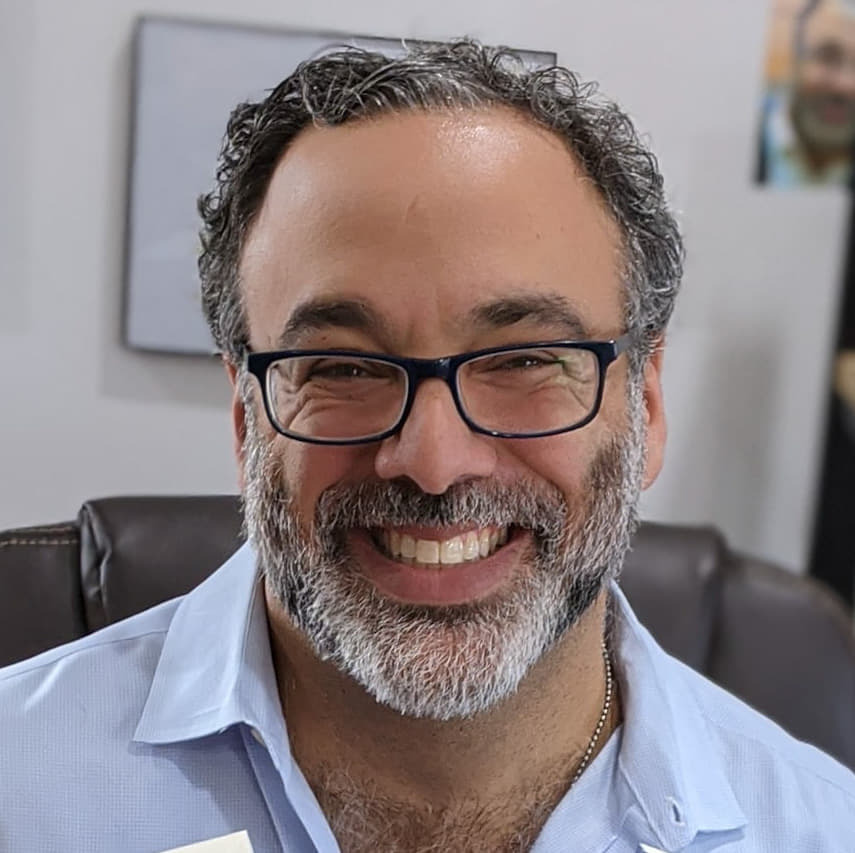
Rabbi Menachem Creditor
Wednesday
Rabbi Menachem Creditor serves as the Pearl and Ira Meyer Scholar in Residence at UJA-Federation of New York and founded Rabbis Against Gun Violence. He frequently speaks in communities and on campuses across the U.S. and Israel. His videos and essays have garnered more than a million views, and Newsweek named him one of America’s 50 most influential rabbis.
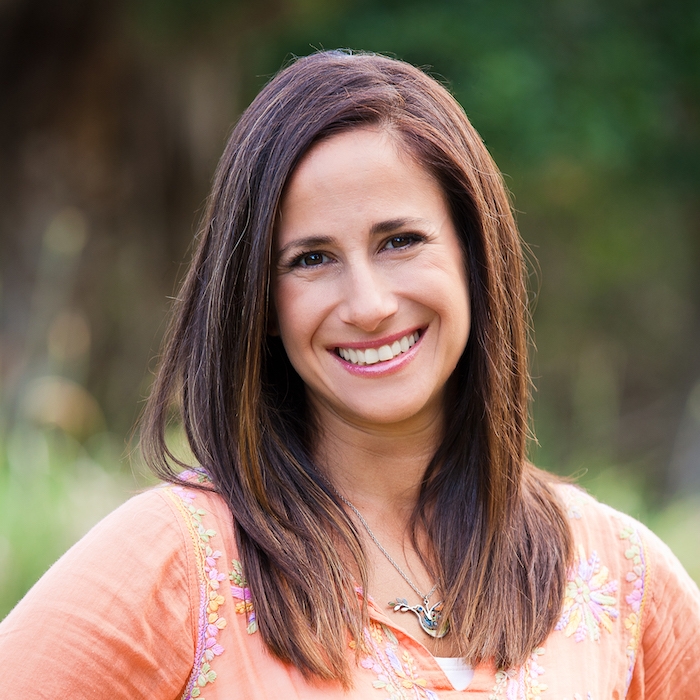
Rabbi Danielle Upbin
Thursday
Rabbi Danielle Upbin is the associate rabbi and prayer leader at Congregation Beth Shalom in Clearwater, Florida. Originally from New York City, she graduated with honors from Barnard College, Columbia University, with a BA in Political Science. She was ordained from the Jewish Theological Seminary in 2002. She has lived and studied in Israel, including a year spent exploring Jewish mysticism and art.
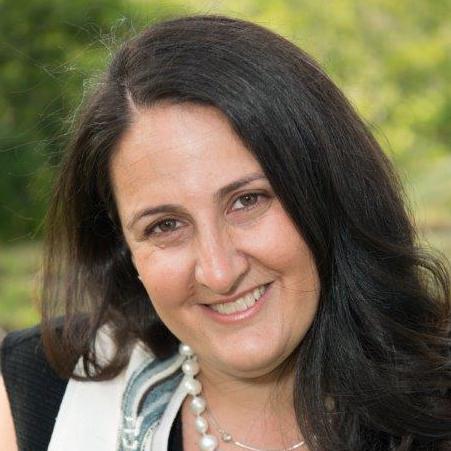
Rabbi Sari Laufer
Friday
Rabbi Sari Laufer is the director of congregational engagement at Stephen Wise Temple in Los Angeles. A cum laude graduate of Northwestern University, Rabbi Laufer was ordained by Hebrew Union College–Jewish Institute of Religion, Los Angeles. Rabbi Laufer teaches the young and the young-at-heart, bringing her passion for rabbinic texts, social justice, and Judaism’s wisdom and relevance in the 21st century into the lives of those with whom she is privileged to learn and to share.
The Prayer
The Mourner’s Kaddish
You don’t need to know it to join us. But if you’d like to practice, here it is — in Aramaic and Hebrew, transliteration and English.
יִתְגַּדַּל וְיִתְקַדַּשׁ שְׁמֵהּ רַבָּא.
Yitgadal v’yitkadash sh’mei raba,
Glorified and sanctified be God’s great name,
בְּעָלְמָא דִּי בְרָא כִרְעוּתֵהּ, וְיַמְלִיךְ מַלְכוּתֵהּ בְּחַיֵּיכוֹן וּבְיוֹמֵיכוֹן וּבְחַיֵּי דְכָל בֵּית יִשְׂרָאֵל, בַּעֲגָלָא וּבִזְמַן קָרִיב, וְאִמְרוּ: אָמֵן.
b’alma di v’ra chirutei, v’yamlich malchutei b’chayeichon uv’yomeichon uv’chayei d’chol beit Yisrael, ba’agala uvizman kariv, v’imru: Amen.
throughout the world which He has created according to His will. May He establish His kingdom in your lifetime and during your days, and within the life of the entire House of Israel, speedily and soon; and say, Amen.
יְהֵא שְׁמֵהּ רַבָּא מְבָרַךְ לְעָלַם וּלְעָלְמֵי עָלְמַיָּא.
Y’hei sh’mei raba m’varach l’alam ul’almei almaya.
May His great name be blessed forever and to all eternity.
יִתְבָּרַךְ וְיִשְׁתַּבַּח, וְיִתְפָּאַר וְיִתְרוֹמַם וְיִתְנַשֵּׂא, וְיִתְהַדָּר וְיִתְעַלֶּה וְיִתְהַלָּל שְׁמֵהּ דְּקֻדְשָׁא, בְּרִיךְ הוּא,
Yitbarach v’yishtabach, v’yitpa’ar v’yitromam v’yitnasei, v’yithadar v’yit’aleh v’yit’halal sh’mei d’kud’sha, b’rich hu,
Blessed and praised, glorified and exalted, extolled and honored, adored and lauded be the name of the Holy One, blessed be He,
לְעֵלָּא מִן כָּל בִּרְכָתָא וְשִׁירָתָא, תֻּשְׁבְּחָתָא וְנֶחֱמָתָא, דַּאֲמִירָן בְּעָלְמָא, וְאִמְרוּ: אָמֵן.
l’eila min kol birchata v’shirata, tushb’chata v’nechemata, da’amiran b’alma, v’imru: Amen.
beyond all the blessings and hymns, praises and consolations that are ever spoken in the world; and say, Amen.
יְהֵא שְׁלָמָא רַבָּא מִן שְׁמַיָּא, וְחַיִּים, עָלֵינוּ וְעַל כָּל יִשְׂרָאֵל, וְאִמְרוּ: אָמֵן.
Y’hei sh’lama raba min sh’maya, v’chayim, aleinu v’al kol Yisrael, v’imru: Amen.
May there be abundant peace from heaven, and life, for us and for all Israel; and say, Amen.
Hebrew
עֹשֶׂה שָׁלוֹם בִּמְרוֹמָיו, הוּא יַעֲשֶׂה שָׁלוֹם עָלֵינוּ וְעַל כָּל יִשְׂרָאֵל, וְאִמְרוּ: אָמֵן.
Oseh shalom bimromav, hu ya’aseh shalom aleinu v’al kol Yisrael, v’imru: Amen.
He who creates peace in His celestial heights, may He create peace for us and for all Israel; and say, Amen.
FAQ
What is the Mourner’s Kaddish?
Written in Aramaic (with the last line in Hebrew), the Mourner’s Kaddish is an almost 2,000-year-old prayer traditionally recited in memory of the dead. The prayer is said in a minyan of at least 10 adult Jews for a period (often 11 months) following the death of a parent, sibling, spouse or child, though many people say the prayer for other relatives, as well as for friends. The Mourner’s Kaddish is also recited on the deceased person’s yahrzeit, the Hebrew anniversary of their death, and during Yizkor memorial services, held four times a year.
How do I join the My Jewish Learning Kaddish Minyan?
Sign up to join our Kaddish Minyan list, and you will receive reminders an hour before the minyan begins, with the Zoom link to sign in. There is no cost.
What happens at the Kaddish Minyan, and how long is it?
A rabbi offers a few words of Torah and then leads the group in reciting the Mourner’s Kaddish. Throughout the gathering, you may write in the chat where you are joining from and whom you are remembering. You’ll remain muted until it’s time to say the Mourner’s Kaddish. Then you may unmute and recite the prayer in community. Since the Kaddish is said among 10 Jewish adults, you may want to arrange your screen so that you can see at least nine other participants. The whole gathering is brief — about 15 minutes. You can keep your camera on or off, and participate as much or as little as feels right. Many people find that simply being present, in the company of others who are also grieving, is what matters most.
Do I need to be Jewish to join?
No. The minyan is open to anyone who wishes to be there — whether you are Jewish, exploring Judaism, or simply accompanying someone you love through their grief. You are welcome exactly as you are.
Do I need to know Hebrew or how to read the prayers?
Not at all. Many participants have never said Kaddish before joining the My Jewish Learning Kaddish Minyan. The rabbi leads the service, and you can simply listen, follow along or read the transliteration. You’ll find the full Mourner’s Kaddish above so you can practice beforehand if you’d like.
Do I have to come every day?
No. Some join every day while they are mourning; others come occasionally, when their schedule permits or on a particularly hard or significant day. Some come only on a yahrzeit. The My Jewish Learning Kaddish Minyan is here whenever you need it.