Page Not Found
404
Try searching for what you’re looking for
Still having trouble? Try these suggestions:
Friday Evening Shabbat Service
Join us for our weekly Shabbat service! We rotate between Shabbat B’yachad, Shabbat Shirah, and a Classic Shabbat: Shabbat B’yachad ...
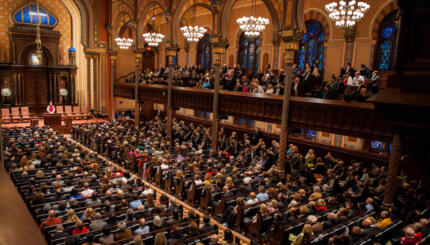
Kabbalat Shabbat Services
Can’t make it to synagogue for Kabbalat Shabbat this week? Join one of our synagogue Hub partners’ services by clicking ...
Kaddish Minyan with Rabbi Sari Laufer (Fridays)
My Jewish Learning offers a place for people to come together each weekday for a few minutes of Torah teaching ...

Morning Meditations and Melodies with Rabbi Jamie
Join Rabbi Jamie and friends for peaceful reflection, music, and meditation.
Group Torah Study with My Jewish Learning
Join My Jewish Learning for a teaching and conversation about the week’s Torah portion. Rotating facilitators will offer a variety ...
Weekday Prayer Services
Join one of the Hub’s partners for a weekday prayer service. Some synagogues hold morning prayer (shacharit), and some hold ...
Weekday Prayer Services
Join one of the Hub’s partners for a weekday prayer service. Some synagogues hold morning prayer (shacharit), and some hold ...
Kaddish Minyan with Rabbi Danielle Upbin (Thursdays)
Join My Jewish learning for a short Torah teaching followed by the mourner’s Kaddish. Thursday’s minyan is led by Rabbi ...

Coffee and Kabbalah
Please join Melanie Gruenwald and friends on Zoom, for informal connection and discussion about your reflections on this week at ...