Tag Archives: prayer
Is Prayer for Activists?
Our basic premise as activists is human responsibility. We, not someone else, must step up to create change in the world. To turn to others before ourselves is for cynics and critics,
not change-makers. What about prayer? Is it a cop out? I would suggest that prayer offers us three vital opportunities as activists: 1) Reflection and Self Awareness, 2) Reminder of Values and Recharge, and 3) Humility.
First, we know that activism can make us hot-headed, and impulses can run high. Prayer is the opportunity to check back in with our essence. Rav Kook, first Ashkenazi Chief Rabbi of Israel, explains: “Prayer is only correct when it arises from the idea that the soul is always praying. When many days or years have passed without serious prayer, toxic stones gather around one’s heart, and one feels, because of them, a certain heaviness of spirit. When one forgets the essence of one’s own soul, when one distracts his mind from attending to the innermost content of his own personal life, everything becomes confused and uncertain. The primary role of change, which at once sheds light on the darkened zone, is for the person to return to himself, to the root of his soul” (Olat HaRa’aya, 2). Prayer reminds us that we must slow down, reflect upon our actions, and become very aware of our feelings and our spiritual integrity.
Second, prayer is a time to recharge, pausing to remind ourselves of core values and reaffirming our highest moral and spiritual commitments. Activists are consumed with opposing some of the most immoral forces on the planet. Prayer is a return to idealism, to hope, and to faith that justice will prevail. The 20th-century philosopher Pierre Teilhard de Chardin explained: “We are not physical creatures having a spiritual experience. We are spiritual creatures having a physical experience.” By connecting with our spiritual values, we can return to the material world with a broader, fresher, and more idealistic spirit.
Third, in prayer we humble ourselves. We remember that we do not control the world. We do not naively believe that we will succeed in all of our endeavors or that G-d will merely fulfill our requests. Rather, we seek a humble connection above, without expectations, as we affirm that the job of G-d is taken. Rabbi Joseph B. Soloveitchik explained that G-d listens, but prayer is more about
relationship and connection than wish fulfillment. “We have the assurance that God is indeed a shomeiah tefillah, One who hears our prayers, but not necessarily that He is a mekabel tefillah, One who accepts our prayers, and accedes to our specific requests. It is our persistent hope that our requests will be fulfilled, but it is not our primary motivation for prayer. In praying, we do not seek a response to a particular request as much as we desire a fellowship with G-d” (Reflections of the Rav, volume 1, p. 78). When we seek a relationship with the Divine, we not only humble ourselves but fill ourselves with wonder. Biologist J.B.S. Haldane said it well: “The world will not perish for want of wonders but for want of wonder.” Prayer reminds us of how small we are amongst the cosmos.
To be an activist is about taking responsibility for the injustices and oppressions in society. A spiritual life that embraces prayer is not at odds with this goal. Rather, prayer may be one of our most important tools to build community, spiritually recharge, and enhance our collective efforts to create a more just world.
Note: The opinions expressed here are the personal views of the author. All comments on MyJewishLearning are moderated. Any comment that is offensive or inappropriate will be removed. Privacy Policy
The Jewish Message
Earlier this week, Tom Fields-Meyer wrote about reading and thinking about books and took a look at autism and God. He has been blogging here all week for the Jewish Book Council and MyJewishLearning.
Not long ago, I had the pleasure of speaking at an event to benefit my children’s summer camp. In the midst of a lovely discussion, the rabbi who runs the camp offered a question: “What’s your book’s Jewish message?”
I stammered and stumbled a bit before I came up with an answer. But afterwards, I kept thinking about the question. I tend to come up with much more articulate responses the next morning, on my jog, than on the spot. (That’s why I’m a writer and not, say, a White House spokesman.)
Following Ezra tells the story of raising our middle son for the decade from his autism diagnosis at age three through the day of his one-of-a-kind bar mitzvah. It’s loaded with Jewish content: there’s the awkward, hilarious conversation he had with a neighbor on the walk to synagogue one Shabbat; there’s the wonderful conversation when Ezra learned about the Eighth Commandment (the hard way); and of course there’s the last chapter, detailing the days surrounding my son’s bar mitzvah celebration.
But what’s the Jewish message?
In the book of Genesis, it says God created human beings in God’s image. That means we should treat every person with dignity, respect and honor—no matter their disability, no matter what they look like, no matter how many times they remind us when the next Pixar movie is premiering (a habit of Ezra’s that can be either endearing or annoying, depending on your perspective). That also means that encountering people who are different from us—from different backgrounds, different circumstances, or facing different challenges—gives us a insight into the many aspects of the divine.
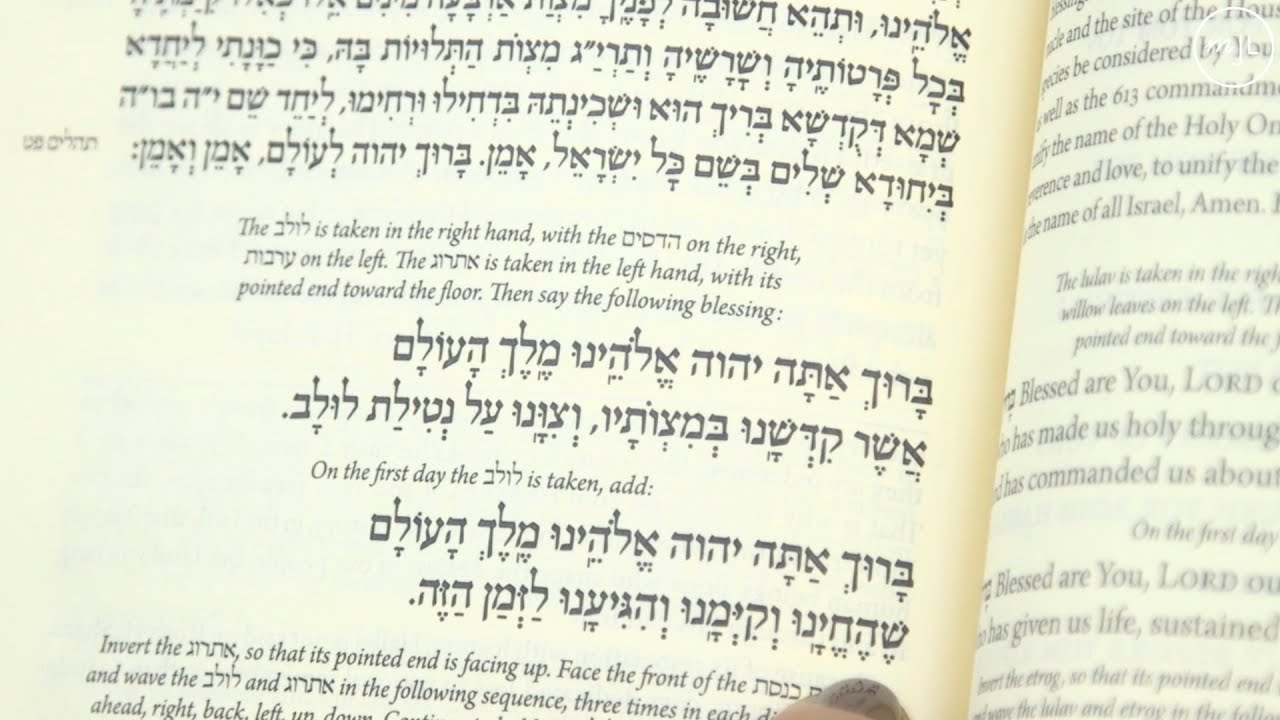
My book begins with an epigraph, a single bracha, a traditional blessing. Jewish liturgy is full of blessings recited on various occasions. Most Jews are familiar with the blessings said over wine or before eating bread. One of my favorite pages in the Artscroll prayer book lists “Blessings of Praise and Gratitude,” the brachot that are reserved for life’s unusual encounters. There’s one for seeing lightning, and one for experiencing an earthquake. There’s a particular blessing to say when you see 600,000 people in once place. (How often do you get to use that one?)
In the midst of that list, the prayer book includes a blessing to say upon seeing a person who is different. The Talmud enumerates the various kinds of people included. It praises God, mishaneh habriyot—who “creates variety among living beings.”
Blessed is God for creating all kinds of people. What better words could introduce a story about raising a child with an unusual and fascinating mind?
And what better Jewish message could there be?
Note: The opinions expressed here are the personal views of the author. All comments on MyJewishLearning are moderated. Any comment that is offensive or inappropriate will be removed. Privacy Policy